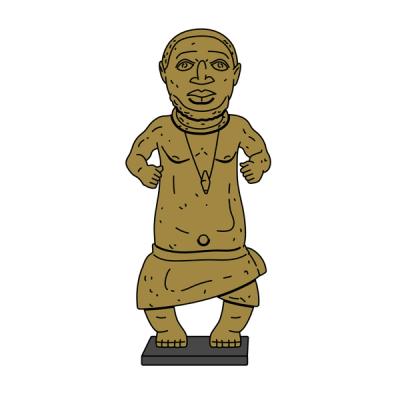
Eseiku
Eseiku (eseiku figures), according to oral tradition, have been identified as one group of the indigenous settlers of Benin, who were enclosed in a corner of the city, called Ivbioto today, while the new settlers, now referred to as the Benin people, took over the city.
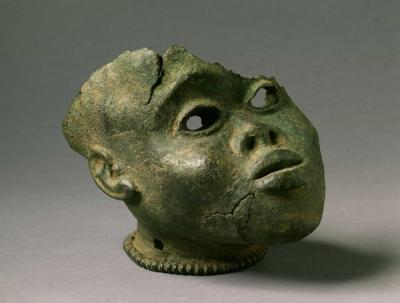
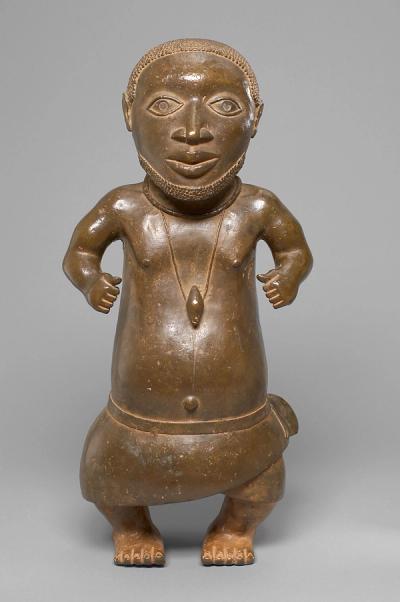
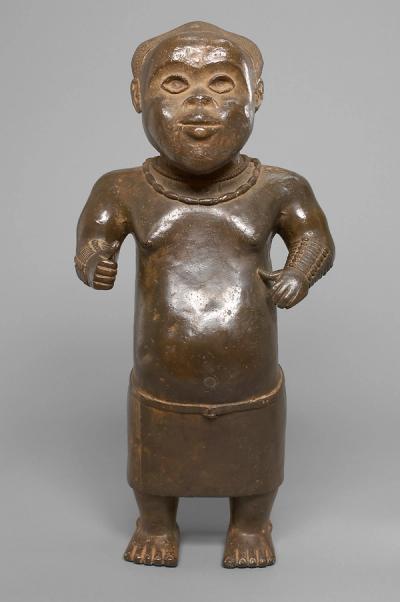
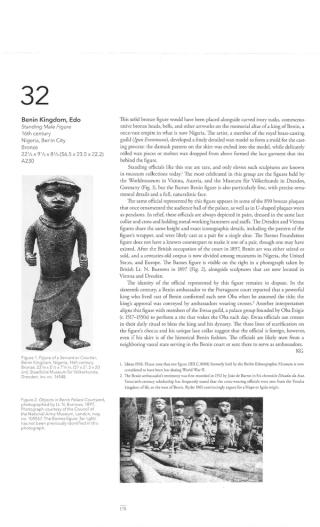
These figures depict individuals with the medical and genetic condition of dwarfism or chondrodysplasia (Botto, 2021, p.207 ). Kathy Curnow (1997 ) has argued that these figures would have been jesters – known as Akaeronmwon – in the Benin royal court; however, this has been disputed by respondents who were asked about this during our field research, as Eseiku have different physical features. The small number of these figures, just two full figures and one head, also suggests they may represent rare examples of portraiture in the arts of the Benin royal court.
Dating of these figures has not been definitive, although estimates are often placed within the sixteenth century (Fagg, 1963 ; Curnow, 1997, p.85-86 ). Philip Dark (1973, p.10 ) felt they could be placed within the reign of Ọba Esigie. Given how unusual these objects are, the function – or functions – they served in the past is uncertain. Curnow (1997, p.91 ) argues that the figures were mostly used in a similar way to others, and were part of altar furniture.

Educational Material
Digital Benin collates digital material from institutions, and some of this material is inherently colonial and contains words, terms and phrases that are inaccurate, derogatory and harmful towards African and African diasporic communities. Catalogue transcriptions, book titles, exhibition titles and museum titles may contain harmful terms. We recognise the potential for the material to cause physical and mental distress as well as evoke strong emotions. Owing to the scale of the collection’s data, a process to implement sensitive-content warnings in the displayed data is still incomplete. The material within the catalogue does not represent Digital Benin’s views. Digital Benin maintains a strong anti-colonial, anti-racist position and affirms its support for centring the humanity of historically marginalised and disenfranchised communities. Read more about the background of this statement here