Uhunmwu elao ọghe Iy’ọba

Uhunmwu elao ọghe Iy’ọba

Description

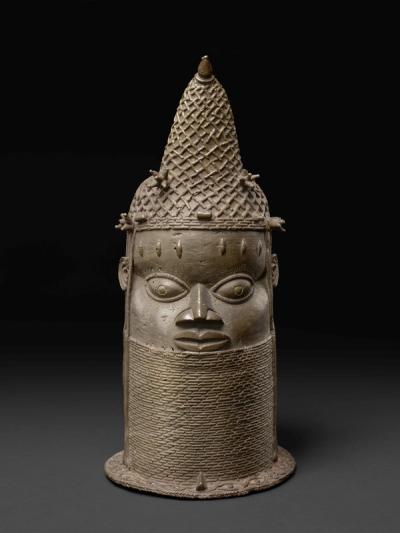
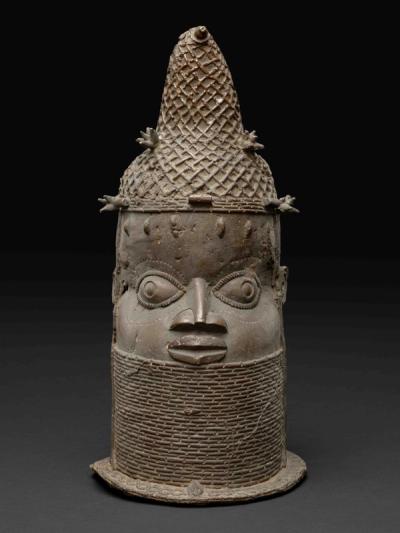
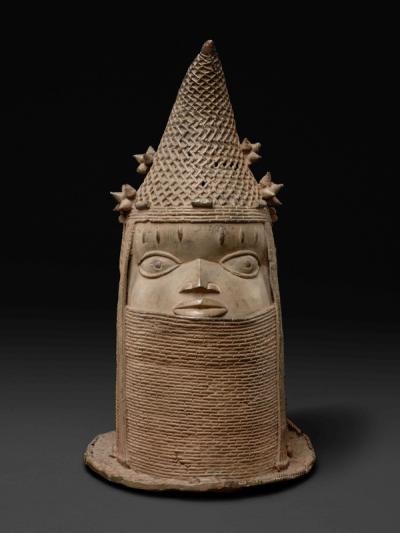
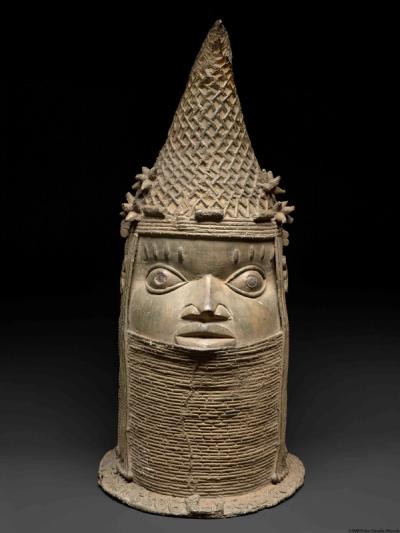
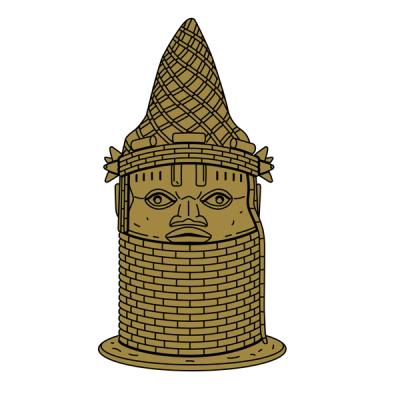
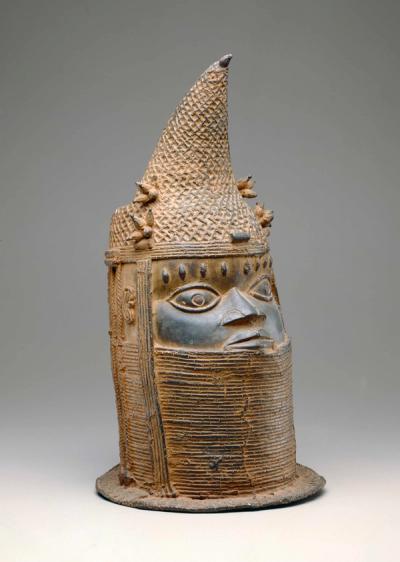
Uhunmwu elao ọghe Iy’ọba (commemorative queen mother heads) were placed at the ancestral shrine of the Iy’Ọba. Similar to the Ọba’s altar, the Iy’ọba also had an altar erected on her behalf which consists of a commemorative head. The Uhunmwu elao ọghe Iy’ọba are particularly distinguished by the Upkẹ okhokho (chicken beak) hairstyle. Usually, a woman in Benin would only have three suborbital markings, however the Iy’Ọba is shown in many of these objects with four suborbital markings, which would usually indicate a man. This may indicate thato when an Iy’Ọba is crowned, she ascends to a status usually belonging only to men.

There are two main types of Uhunmwu elao ọghe Iy’Ọba, those with a quadrangular block-like base or pedestal, and those with flanges, as seen in other commemorative heads. It is believed that Ọba Esigie (c. 1504–50) introduced the role and title of Iy’Ọba to honour his mother, Queen Idia. It is thus thought that the earliest heads, those with quadrangular pedestals, may date to that period (Ben-Amos, 1995 ).
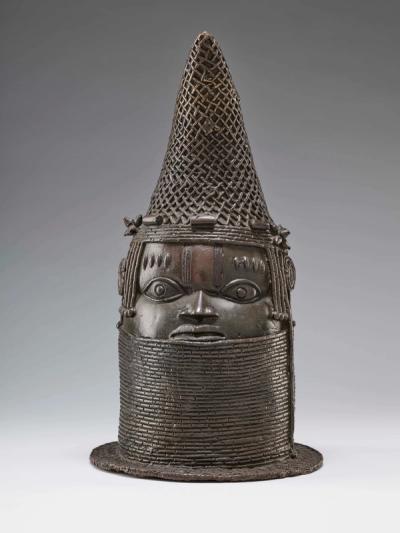
Objects defined as Uhunmwu elao ọghe Iy’ọba

48 objects
See all
Commemorative Queen Mother Head
Institution
Detroit Institute of Arts
Accession number
26.180
Edo designations
Uhunmwu elao ọghe Iy’ọba
Commemorative Queen Mother Head
Institution
Indianapolis Museum of Art at Newfields
Accession Number
1989.821
Edo designations
Uhunmwu elao ọghe Iy’ọba
Commemorative Queen Mother Head
Institution
Omo n'Oba n'Edo Uku Akpolokpolo, Ọba of Benin & National Commission for Museums and Monuments, Nigeria
ID
210760
Edo designations
Uhunmwu elao ọghe Iy’ọba
Restituted
Commemorative Queen Mother Head
Institution
Omo n'Oba n'Edo Uku Akpolokpolo, Ọba of Benin & National Commission for Museums and Monuments, Nigeria
ID
211031
Edo designations
Uhunmwu elao ọghe Iy’ọba
Restituted
Commemorative Queen Mother Head
Institution
Ethnologisches Museum, Staatliche Museen zu Berlin
ID
211032
Edo designations
Uhunmwu elao ọghe Iy’ọba
Commemorative Queen Mother Head
Institution
Omo n'Oba n'Edo Uku Akpolokpolo, Ọba of Benin & National Commission for Museums and Monuments, Nigeria
ID
211033
Edo designations
Uhunmwu elao ọghe Iy’ọba
Restituted

Oral histories related to Uhunmwu elao ọghe Iy’ọba

3 interviews
See all
What is Okuku?
What is Okuku?
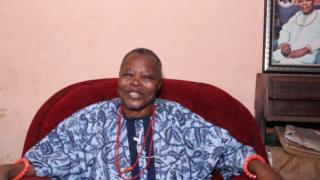
Pa Iyekeoretinomwan Aikpitanyi
Queen Idia: The First Iy’Ọba of Benin Kingdom
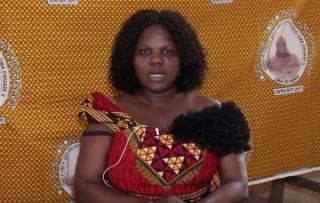
Dr. Josephine Ebiuwa Abbe
Pre-Colonial Female Figures in Benin Kingdom
Iziengbe Pat Ebuka-Onuoha

Archival documents related to Uhunmwu elao ọghe Iy’ọba

38 documents
See all
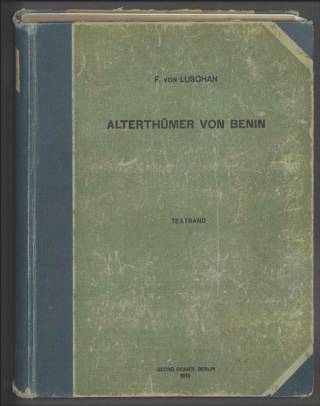
Museum Catalogue
Staatsbibliothek zu Berlin
Die Altertümer von Benin
Date
January 1, 1919 at 12:00:00 AM
An archival document representing a Auction Catalog of 26 page(s)
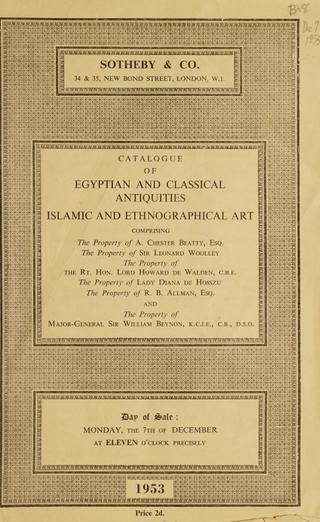
Auction Catalogue
Metropolitan Museum of Art
Thomas J. Watson Library sales and auction catalogues
Date
December 7, 1953
An archival document representing a Auction Catalog of 14 page(s)
Auction Catalogue
Metropolitan Museum of Art
Thomas J. Watson Library sales and auction catalogues
Date
June 5, 1972
An archival document representing a Auction Catalog of 118 page(s)
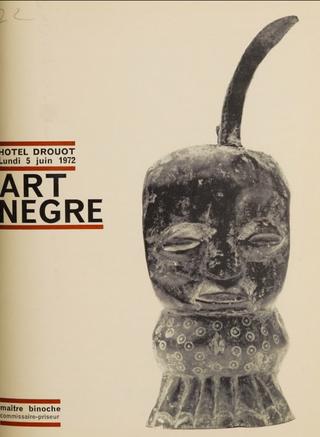
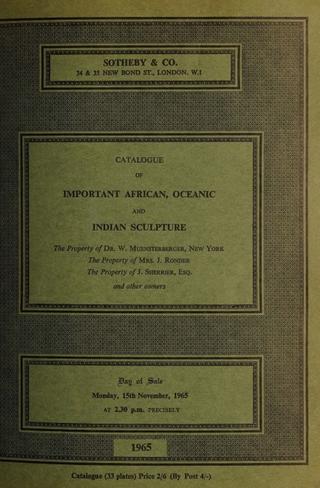
Auction Catalogue
Metropolitan Museum of Art
Thomas J. Watson Library sales and auction catalogues
Date
November 15, 1965
Sensitive Content

Digital Benin collates digital material from institutions, and some of this material is inherently colonial and contains words, terms and phrases that are inaccurate, derogatory and harmful towards African and African diasporic communities. Catalogue transcriptions, book titles, exhibition titles and museum titles may contain harmful terms. We recognise the potential for the material to cause physical and mental distress as well as evoke strong emotions. Owing to the scale of the collection’s data, a process to implement sensitive-content warnings in the displayed data is still incomplete. The material within the catalogue does not represent Digital Benin’s views. Digital Benin maintains a strong anti-colonial, anti-racist position and affirms its support for centring the humanity of historically marginalised and disenfranchised communities. Read more about the background of this statement here