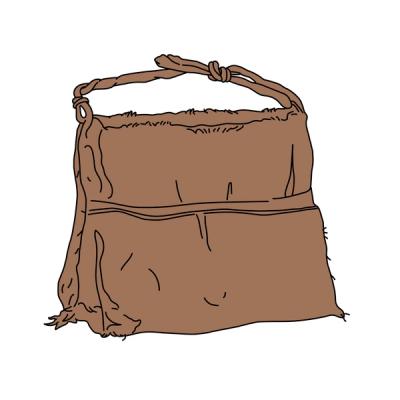
Ẹkpo
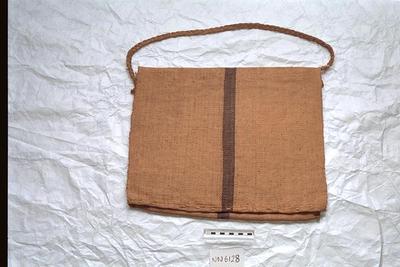
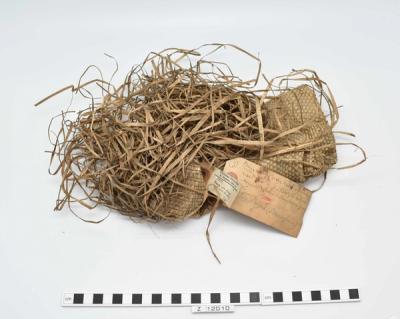
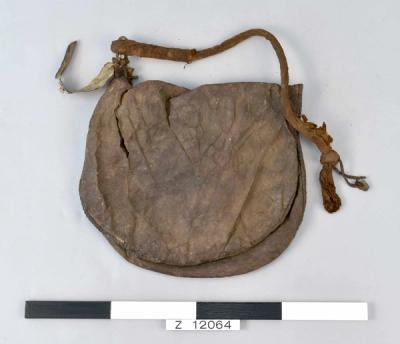
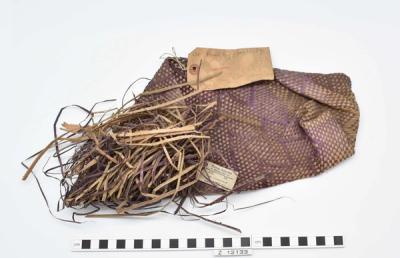
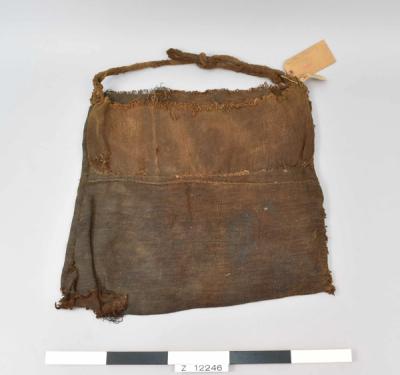
Ẹkpo (bags) were typically made from skins or woven from raffia. The leather bags were made by the Isekpokin, whereas bags made from raffia were made by the Owina.
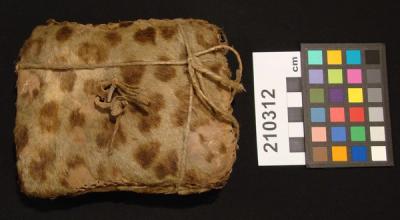
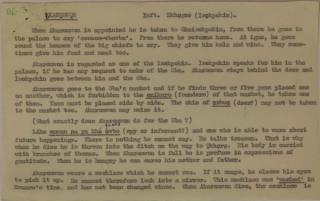
Typically, Ẹkpo are rectangular with a strap, and some have a flap over the front. The majority was collected by Northcote Whitridge Thomas during his first tour of West Africa, when he travelled in Edo-speaking areas from 1909 to 1910. The notes about each offer a rare glimpse into the everyday objects used by ordinary men and women in Benin Kingdom.
Ẹkpo were also used by the royal court, and rectangular leopard skin or stamped leather specimens can be seen depicted on relief plaques, either on their own or being held by members of the royal court such as royal messengers.
Educational Material
Digital Benin collates digital material from institutions, and some of this material is inherently colonial and contains words, terms and phrases that are inaccurate, derogatory and harmful towards African and African diasporic communities. Catalogue transcriptions, book titles, exhibition titles and museum titles may contain harmful terms. We recognise the potential for the material to cause physical and mental distress as well as evoke strong emotions. Owing to the scale of the collection’s data, a process to implement sensitive-content warnings in the displayed data is still incomplete. The material within the catalogue does not represent Digital Benin’s views. Digital Benin maintains a strong anti-colonial, anti-racist position and affirms its support for centring the humanity of historically marginalised and disenfranchised communities. Read more about the background of this statement here