


Iconographies





Provenance
Institution data
| Institution field | Value |
|---|---|
Registration number object id | Af1944,04.8 |
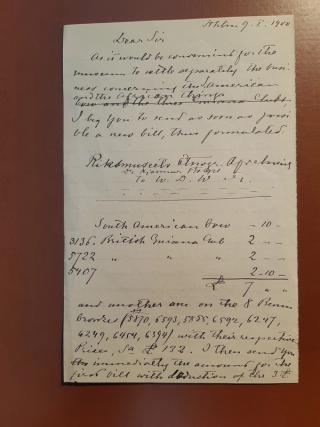
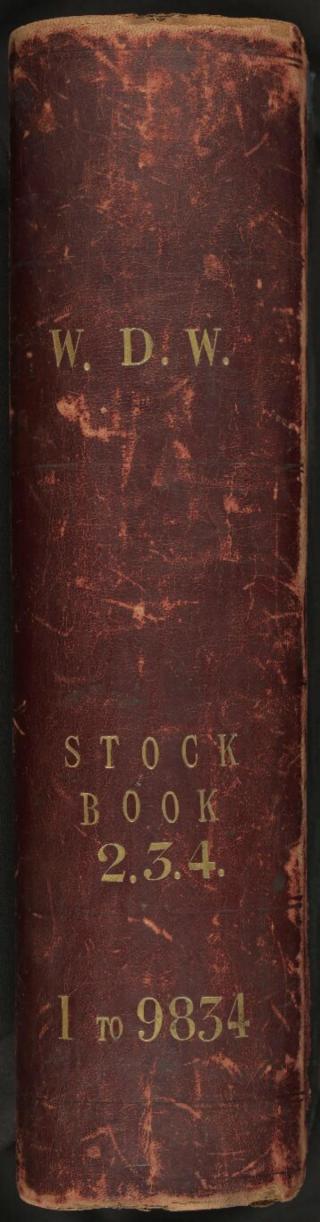
Additional IDs object id | 6249 (William Webster number)~Y2/19 (Dark: Benin catalogue number) |
PRN object id | EAF18200 |
Object Type designation | plaque |
Description description | Relief plaque, lost-wax cast in brass. Narrow plaque, rectangular in form without side flanges. Background surface decorated with river leaf patterns and stippling. Two nail holes at top right and centre; partial hole at top left; two holes midway at left and right; two holes at bottom left and centre. Depicts single standing figure of the Ehioba, facing front, holding a forked switch aloft in right hand. Has partially shaved head with tiered hairstyle on either side, central lock at front and curled side plait at left. Triangular mark down nose. Oro protrusion attached to top of head. Wears deep beaded collar, full-length, long-sleeved patterned gown, and bracelets. |
Ethnic name (made by) ethnic attribution | Edo |
Date | 16thC-17thC (circa) |
Production place production place | Made in: Benin City |
Findspot place collected | Found/Acquired: Benin City |
Materials material | brass |
Technique production technique | lost-wax cast |
Dimensions dimensions | Height: 47.50 cm~Width: 22.00 cm~Depth: 6.00 cm |
Curator’s comments provenance | The relief brass plaques that used to decorate the Oba's (king's) palace are among the most well-known of all the royal arts of Benin. Although frequently described as 'Benin Bronzes' most plaques are made of leaded brass in various compositions. It is widely accepted that they date to the 16th-17th centuries. In the years prior to the British Expedition royal influence in Benin was increasingly under threat from rival powers, both internal and external, with a focus on economic power and control of the important trading monopolies. However, the court and palace remained the political and spiritual centre of the Benin Kingdom. Earlier accounts written by Europeans visiting the city describe its size and scale. The palace complex was set up around atrium courtyards; some had galleries with wooden pillars supporting the roof. Brass plaques, probably made in matching pairs, were fixed to these pillars. The Benin brass plaques represent a distinct and unique corpus of work, unparalleled elsewhere on the continent. They are cast using the cire perdue (lost wax) technique and show significant variation in the depth of the relief. Some of the plaques portray historical events or commemorate successful wars, while others are a vivid depiction of Benin court life and ritual. Several groups of plaques show clear stylistic similarities. William B. Fagg suggested that these plaques represent the work of master brass casters. Fagg, William, 1973, 'Nigerian Images', London: Lund Humphries Gunsch, Kathryn, 2018, 'Benin plaques: a 16th century imperial monument', London: Routledge, Taylor and Francis Group ; The Beasley Collection ledger reads: 'Benin. A Bronze Plaque, of a single figure carrying a double pointed spear? + dressed in a long one piece garment decorated with a punched and incised design. Wearing a coral choker + curious pointed head dress. 18" long. 8 3/4" wide. Bt A. Sjogren. Hofslagangatan, Stockholm. Carriage + packing included. '; Ehioba is leader of the Ooton guild, selected from descendants of previous rulers of Benin, who served the high priest Osuan. The bulge beneath his tunic on his chest represents the concealed jawbones of adeceased Iyase (political opponent to Oba). ; See Collection File: Af1944,04.1-77. |
Bibliographic references bibliography | Plankensteiner 2007: p.328, cat.73~Barley 2010: p.79, fig. 53~Gunsch 2018: |
Exhibition history exhibition history | Exhibited: 1965, Oxford, Pitt Rivers Museum, Art from the Guinea Coast 1970-1973, London, Museum of Mankind, Divine Kingship in Africa |
Condition condition | Fair; missing top left corner and chip from top right corner. Missing section from left side at midway. Missing bottom right and left corners. Surface damage around figure's feet. |
Subjects iconography | palace/mansion |
Associated events event | Associated Event: British Expedition to Benin City - Feb 1897 |
Acquisition name (acquisition) provenance | Irene Marguerite Beasley |
Acquisition name (previous) provenance | Previous owner/ex-collection: Harry Geoffrey Beasley~Previous owner/ex-collection: Åke Sjögren~Previous owner/ex-collection: William Downing Webster |
Acquisition date accession date | 1944 |
Acquisition notes (excavation) provenance | This plaque was looted during the British Expedition to Benin City in 1897. |
Digital Benin collates digital material from institutions, and some of this material is inherently colonial and contains words, terms and phrases that are inaccurate, derogatory and harmful towards African and African diasporic communities. Catalogue transcriptions, book titles, exhibition titles and museum titles may contain harmful terms. We recognise the potential for the material to cause physical and mental distress as well as evoke strong emotions. Owing to the scale of the collection’s data, a process to implement sensitive-content warnings in the displayed data is still incomplete. The material within the catalogue does not represent Digital Benin’s views. Digital Benin maintains a strong anti-colonial, anti-racist position and affirms its support for centring the humanity of historically marginalised and disenfranchised communities. Read more about the background of this statement here