


Iconographies


Provenance
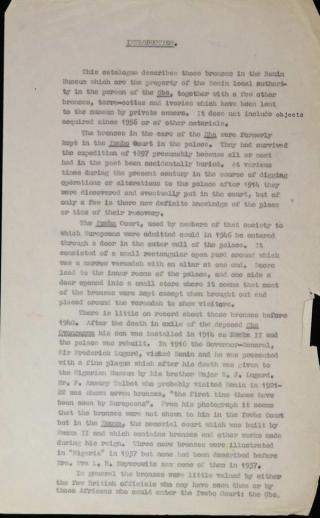
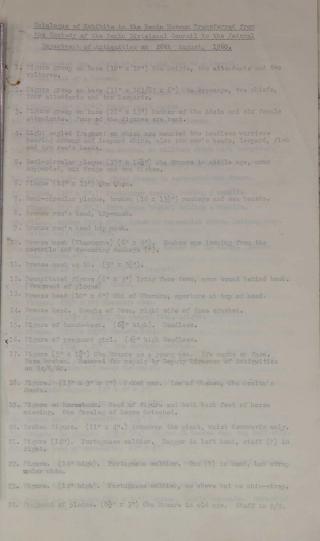
Institution data
| Institution field | Value |
|---|---|
Catalog Number object id | 79B:R:134 |
Material material | Bronze |
Dimension H (cm) dimensions | 42 |
Dimension W (cm) dimensions | 11 |
Dimension L (cm) dimensions | 36 |
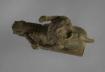
Description description | Horse rider figures, sometimes referred to as equestrian, horse and rider or horseman figures, are all cast in brass and bronze. The possible meanings, identities, uses and ages of these figures have been speculated over in scholarship of the past hundred years. The identity of the mounted figures has been the source of debate, with Von Luschan (1919[44]) first suggesting the figures shown may represent someone who was not from the Kingdom of Benin. However, more recently Karpinski (1984[102]) and Nevadomksy (1986[98]) both argued that the figure represents the Ọba. |
Object count object count | 1 |
Associated Guild producer | Igun Ẹrọnmwọn |
Production Place production place | Benin City |
URL weblink | https://digitalbenin.org/catalogue/36_79BR134 |
Production Technique production technique | Casting |
P.N. object id | |
Diameter dimensions | |
Title designation | |
Date Made date made | |
Inscription inscriptions | |
fileNames | 79BR134_7.jpg, 79BR134_6.jpg, 79BR134_4.jpg, 79BR134_5.jpg, 79BR134_1.jpg, 79BR134_2.jpg, 79BR134_3.jpg, 79BR134_8.jpg |
| Institution field | Value |
|---|---|
Catalogue No object id | 79B:R:134 |
Description description | A beheaded horse rider |
Material material | |
Diam dimensions | |
Dimension H (cm) dimensions | 41 |
Dimension L (cm) dimensions | |
Dimension W (cm) dimensions | |
Weight KG weight | |
Classification object type | Horse Rider |
Patina and colour colour | |
Method of Manufacture production technique | |
State production place | Bendel |
Later Notes provenance | Found undocumented in the gallery and later documented as retrospective object |
Vendor provenance | |
Ethnic Group ethnic attribution | Edo |
Division department and institution | Benin |
Condition Incl condition | |
Photo Number images | |
P.N. | |
Price | |
Signature of Cataloguer |
Digital Benin collates digital material from institutions, and some of this material is inherently colonial and contains words, terms and phrases that are inaccurate, derogatory and harmful towards African and African diasporic communities. Catalogue transcriptions, book titles, exhibition titles and museum titles may contain harmful terms. We recognise the potential for the material to cause physical and mental distress as well as evoke strong emotions. Owing to the scale of the collection’s data, a process to implement sensitive-content warnings in the displayed data is still incomplete. The material within the catalogue does not represent Digital Benin’s views. Digital Benin maintains a strong anti-colonial, anti-racist position and affirms its support for centring the humanity of historically marginalised and disenfranchised communities. Read more about the background of this statement here